It’s not uncommon for children and teens to express emotions in unexpected ways. Sometimes, what looks like anger on the surface is actually a sign of something deeper going on inside. One of the most frequently misunderstood emotional pairings is the connection between anxiety and anger.
As a parent, it can be confusing and frustrating to see your child lash out, talk back, or shut down emotionally, especially when your efforts to stay calm or set boundaries don’t seem to help. You may wonder if your child has anger issues or if their behavior is a sign of deeper emotional struggles.
In many cases, anger is the outward expression of inner anxiety. Understanding the relationship between these two emotions can help parents respond more effectively, support their child’s emotional development, and know when it might be time to seek help from a therapist.
Why Anxiety Sometimes Looks Like Anger
Anxiety is often described as nervousness, worry, or fear. But in children and teens, anxiety doesn’t always show up as quiet or timid behavior. In fact, many young people express anxiety in ways that look more like defiance or emotional outbursts.
This happens because anxiety activates the body’s fight, flight, or freeze response. While some kids withdraw or avoid when they feel anxious, others go into “fight” mode. That fight mode can look like yelling, arguing, hitting, or being easily irritated.
When a child’s nervous system is overwhelmed, they may not have access to the part of the brain that helps them think clearly, communicate calmly, or self-regulate. Instead, their body and brain react to the perceived threat by becoming defensive or aggressive, even if the situation doesn’t seem threatening to others.
Examples of How Anxiety May Present as Anger
Understanding this link becomes easier when you start to recognize the situations that tend to trigger anxious anger. Here are some common examples:
- A child becomes angry and yells when they are asked to do homework, because they’re afraid they’ll fail or not understand it.
- A teen slams doors or argues when told they need to go to school, because they’re dealing with social anxiety or test anxiety.
- A child hits a sibling after returning from a playdate, because navigating social situations drained their emotional energy.
- A teen becomes defensive when asked about a low grade, because they already feel ashamed or worried about disappointing others.
In each of these examples, the behavior might seem like disrespect or defiance, but underneath it is a sense of fear, shame, or overwhelm. Once anxiety is addressed directly, the outward anger often begins to subside.
How to Spot the Signs of Anxiety in an Angry Child or Teen
When a child or teen presents with anger, it’s helpful to take a step back and consider what else might be going on. Here are some common signs that anxiety may be driving their behavior:
- Frequent irritability or short temper
- Perfectionism or fear of failure
- Difficulty transitioning between activities or environments
- Physical complaints like headaches or stomachaches
- Sleep difficulties, especially trouble falling asleep
- Avoidance of school, social situations, or new experiences
- Overreacting to minor frustrations
- Rigid thinking or fear of making mistakes
- Repetitive reassurance-seeking or “what if” questions
- Sensitivity to noise, touch, or unexpected changes
Keep in mind that not all children will express anxiety in the same way. Some kids internalize their worries and become withdrawn, while others externalize through emotional outbursts. Both responses are valid signs that a child needs support.
The Impact on Family Dynamics
When anger becomes a regular part of family life, it can take a toll on everyone. Parents may feel like they’re walking on eggshells. Siblings may feel scared or unsure how to respond. Household routines may feel chaotic or unpredictable.
It’s natural to want to correct or discipline angry behavior, especially if it becomes disruptive or hurtful. But when anger is rooted in anxiety, punishment alone often leads to more stress and resistance. What kids and teens often need most is emotional safety, connection, and tools to manage the underlying anxiety.
What Parents Can Do to Support Their Child
Here are some ways parents can support a child or teen whose anxiety is showing up as anger:
1. Stay Calm and Regulated Yourself
When your child is in a dysregulated state, they need you to remain grounded. This doesn’t mean you allow disrespect or unsafe behavior. It means you model the calm they cannot access in the moment. Take a breath, lower your voice, and speak in simple, direct language.
2. Be Curious About the Emotion Underneath
Instead of focusing only on the surface behavior, get curious about what might be driving it. Try saying things like:
- “It seems like something’s really bothering you right now.”
- “I wonder if you’re feeling overwhelmed or worried about something.”
- “You don’t have to go through this alone. I’m here to help.”
Even if your child doesn’t respond, your calm tone and empathetic approach build trust over time.
3. Set Boundaries While Also Offering Support
You can be both firm and compassionate. For example:
- “It’s okay to feel angry. It’s not okay to hit. Let’s find another way to let that out.”
- “I hear that this is really frustrating. Let’s take a break and talk when we’re both feeling calmer.”
This approach communicates that all feelings are welcome, but not all behaviors are acceptable.
4. Teach Coping Tools for Anxiety
Support your child in learning strategies to manage their anxiety. Some helpful tools include:
- Deep breathing or grounding exercises
- Journaling or drawing their feelings
- Using fidget tools or sensory breaks
- Listening to calming music
- Practicing positive self-talk
- Creating a calm-down space at home
The more tools your child has, the more confidence they’ll build in handling big emotions.
5. Validate Their Experience
Avoid phrases like “You’re overreacting” or “Just calm down.” Instead, validate that what they’re feeling is real and valid, even if it doesn’t make sense to you. You might say:
- “It makes sense that you’re upset. That was a big day.”
- “I know this feels really hard right now. Let’s figure it out together.”
Validation does not mean agreement. It means showing your child that you understand they’re struggling, and that their feelings matter.
6. Create Predictable Routines and Transitions
Children and teens with anxiety often feel more secure when they know what to expect. Creating consistent routines and giving advance notice before transitions can help reduce outbursts. You might say, “In ten minutes, we’re going to turn off the TV and get ready for bed,” instead of switching activities abruptly.
7. Prioritize Connection
When anxiety and anger are running high, quality connection time with a parent becomes even more important. Even short moments of connection can go a long way. Take a walk together, play a card game, share a snack, or cuddle up with a book or show. These moments build emotional safety and trust.
8. Know When to Seek Professional Support
If your child’s anger and anxiety are interfering with their daily life, affecting school, friendships, or your family’s well-being, it might be time to reach out to a therapist.
Therapy can help your child or teen:
- Understand and name their feelings
- Learn skills for calming their body and mind
- Identify triggers and create coping plans
- Repair relationships and build communication skills
- Increase their emotional awareness and resilience
Why Virtual Therapy Works Well for Anxious or Angry Kids and Teens
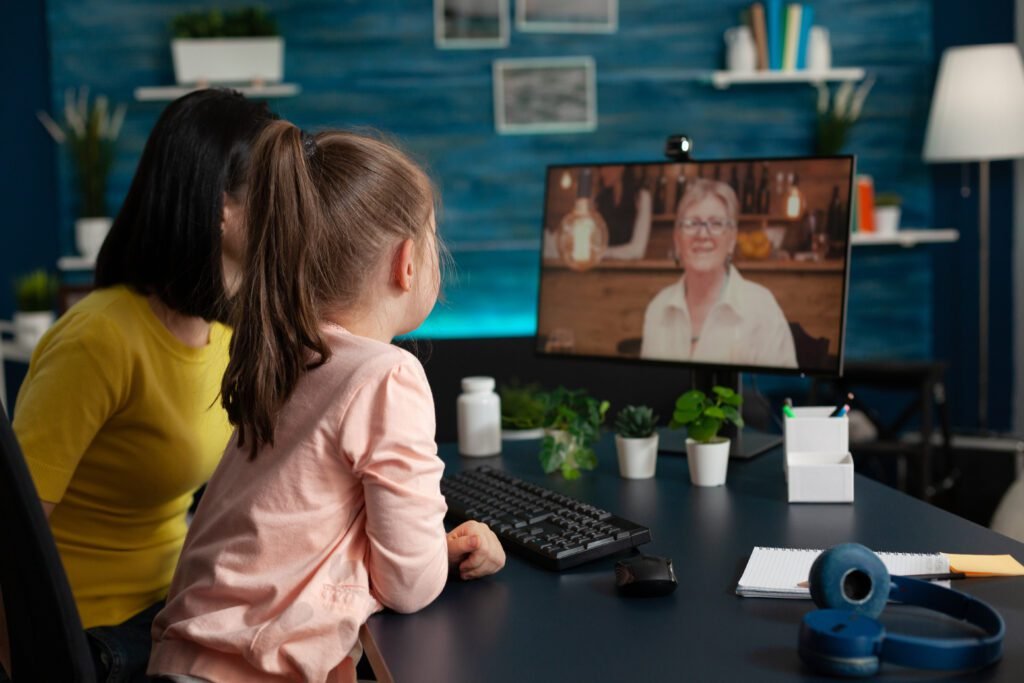
Many kids and teens actually prefer virtual therapy over in-person sessions. Meeting online from the comfort of home can reduce some of the social anxiety or overwhelm they might feel in a traditional office.
With virtual therapy:
- Kids can join from a familiar space, like their bedroom
- Teens can use their phone or laptop, which feels more natural
- Sessions feel private, safe, and less intimidating
- Parents can easily check in with the therapist as needed
- Consistency is easier to maintain with fewer transportation challenges
Virtual play therapy and talk therapy sessions offer a structured, supportive space for your child to explore their feelings, try out new coping skills, and work through the root causes of their behavior in a nonjudgmental setting.
Final Thoughts
If you’re noticing anger in your child or teen, pause and ask yourself what might be hiding beneath the surface. Could it be fear, worry, shame, or overwhelm? The more you understand the connection between anxiety and anger, the more equipped you’ll be to support your child with compassion and confidence.
Your child is not broken or bad, they are struggling with emotions that feel too big to manage alone. With your support and the right therapeutic tools, they can learn to express themselves in healthier, more effective ways.
If you’re ready to take the next step, fill out our client inquiry form to get started today.