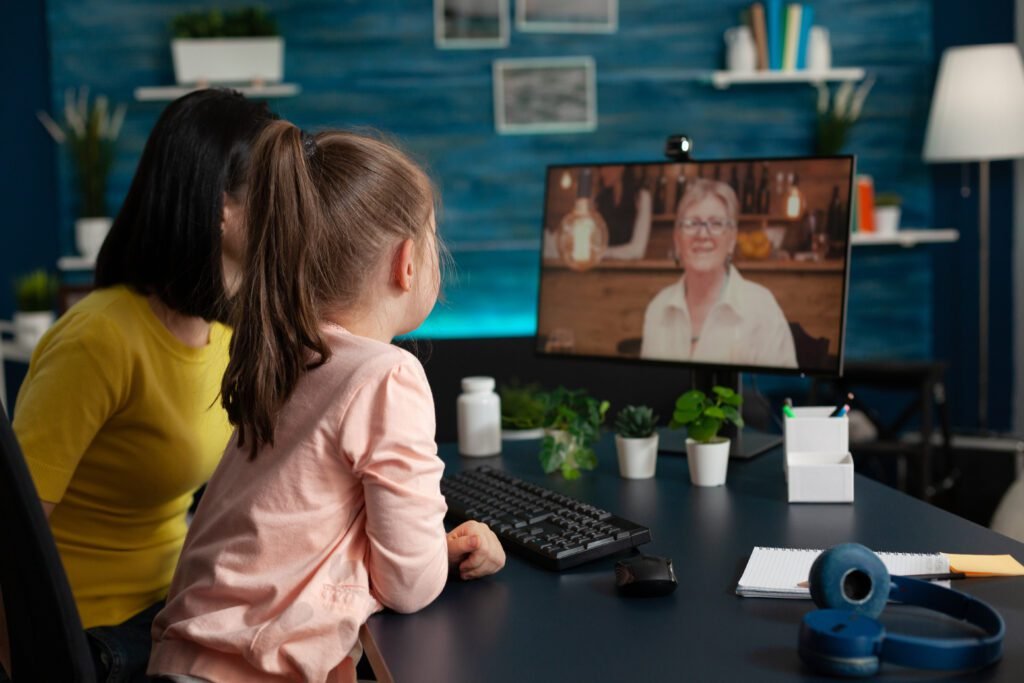
The transition back to school after summer vacation, a long holiday break, or an extended illness can be challenging for any child. But for children who struggle with anxiety, the shift can feel overwhelming. Whether it’s the thought of separating from home, falling behind in class, or simply adjusting to routine again, anxious kids often need extra support to feel safe and ready to return.
At Amy Brown Counseling, we work with children ages 7 and up who experience a range of anxiety-related concerns, including school avoidance, perfectionism, separation anxiety, and general worry. Our virtual therapy sessions provide a secure, supportive environment where kids can explore their feelings, develop tools for coping, and build confidence for the classroom and beyond.
Understanding School Anxiety in Children
School-related anxiety can look different for every child. Some children may be vocal about their fears, while others might express it through physical symptoms like stomachaches, headaches, or fatigue. It is not uncommon for kids to act out behaviorally as their way of communicating distress.
You might notice signs such as:
- Tearfulness or resistance the night before or morning of school
- Complaints of vague physical symptoms without medical explanation
- Trouble falling asleep or staying asleep
- Increased irritability or clinginess
- Refusal to attend school or participate in school-related activities
- Negative self-talk or catastrophizing thoughts
These symptoms often intensify after a break from routine, especially when a child has enjoyed a long period of unstructured time or has been home due to illness.
Why Transitions Are Hard for Anxious Kids
Children with anxiety often feel safest in environments they can predict and control. Breaks from school tend to offer that kind of environment, especially when kids are home and surrounded by family. Returning to school means facing unknowns: changes in the classroom, social pressures, expectations, and performance concerns.
After an illness, there can be added stress about catching up academically, explaining their absence to peers, or worrying about feeling unwell again at school. These worries can compound and become a barrier to reentry.
Understanding that your child is not just being defiant or dramatic but is genuinely overwhelmed is the first step in helping them reengage.
How Parents Can Help Ease the Transition
As a parent, your support and understanding are powerful tools. Here are some strategies we often recommend in therapy sessions with families preparing for a return to school after a break.
Start the conversation early
A few days before the return, begin talking about school in a positive, low-pressure way. Ask how your child feels about going back, what they’re looking forward to, and what they’re nervous about. Let them know it’s okay to have mixed feelings and that you are there to support them.
Re-establish routines
Children feel more secure when they know what to expect. Gradually return to a school-time schedule with consistent bedtimes, morning routines, and mealtimes. This helps reset your child’s internal clock and provides a sense of normalcy.
Make a plan together
Talk through the steps of a typical school day, from waking up to returning home. If your child is nervous about specific situations, like lunchtime or gym class, create a plan together. Problem-solving in advance can reduce the power of the unknown.
Validate their feelings without feeding fear
Acknowledge your child’s emotions without over-reassuring or dismissing them. For example, saying “It’s normal to feel nervous about going back, especially after being out for a while. Let’s talk through what might help you feel more prepared” gives them space to be honest while helping them focus on solutions.
Use visual aids
For younger children, visual schedules or storyboards about returning to school can help them understand what’s coming and reduce fear of the unknown. Older kids may benefit from checklists or planners to organize their thoughts and tasks.
Practice short exposures
If your child has been home for an extended time, consider visiting the school before their return, driving by the building, or reviewing their classroom’s website or schedule. These small exposures can reduce anticipatory anxiety by making the environment feel more familiar.
Help them reconnect socially
Social worries often increase after time away. If possible, schedule a playdate, FaceTime call, or even a group message with peers before school starts. Reconnecting can help kids feel less isolated and more confident.
Create a calm morning routine
The way a child starts their day can shape how they handle stress. Plan mornings that allow enough time to wake up slowly, eat breakfast, and ease into the day. Avoid rushing, which can increase anxiety.
Consider a transitional object
Younger children may benefit from a small object they can carry in their backpack, like a smooth stone or a note from a parent. This provides a tangible reminder of safety and support throughout the day.
Use positive reinforcement
Celebrate efforts and small wins. Returning to school, even for part of a day, is progress. Let your child know you’re proud of them for facing their fears and trying their best.
When to Consider Virtual Therapy for School Anxiety
Sometimes, anxiety becomes so intense that a child resists or refuses school altogether. Other times, they attend but struggle silently. In either case, therapy can offer a safe space to process feelings, learn coping skills, and develop strategies for returning to the classroom with confidence.
At Amy Brown Counseling, we offer virtual therapy for children ages 7 and up throughout Missouri. Our sessions are tailored to your child’s specific needs and take place in a secure online environment that many kids find comforting and accessible.
In therapy, we help anxious kids:
- Name and understand their worries
- Learn calming techniques like breathing or grounding exercises
- Practice coping strategies for stressful situations at school
- Develop routines that support emotional regulation
- Build confidence through skill-building and encouragement
Our platform also allows us to work closely with parents, offering tools and insights you can use at home to support your child’s growth.
Supporting Yourself as a Parent
It’s hard to watch your child struggle with anxiety, especially when the school system has limited resources or flexibility. Parents often feel helpless or frustrated trying to navigate school policies, attendance requirements, and their child’s emotional needs.
You are not alone. Our therapists work with many parents who are doing their best to advocate for their child while managing their own stress. We offer support, education, and practical strategies to help you feel more grounded and empowered.
The Role of Schools in Supporting Anxious Children
While every school is different, many are open to working with parents and therapists to support anxious students. You might consider:
- Requesting a meeting with a school counselor or teacher
- Creating a reentry plan for your child after illness or extended absence
- Asking for accommodations like a slower reintegration, breaks during the day, or support from a trusted adult at school
Having a therapist involved can sometimes help communicate your child’s needs more effectively and open the door to collaboration with the school team.
Moving Forward With Hope
Returning to school after a break doesn’t have to be a dreaded experience. With preparation, support, and compassion, kids can learn to face transitions with greater confidence. Therapy gives them the tools to manage anxiety not just during reentry, but in all aspects of life.
It’s also important to remember that setbacks are normal. If your child struggles during the first week or two, it doesn’t mean you’ve done something wrong. These transitions take time, and with the right support, things can improve.
We’re Here to Help
If your child is struggling with anxiety about returning to school after a break, we’re here to help. At Amy Brown Counseling, we specialize in supporting children and families through virtual therapy in Missouri. Our approach is warm, collaborative, and tailored to your child’s developmental stage and emotional needs.
Reach out today to complete our new client inquiry form and schedule an appointment. Whether your child needs short-term support or longer-term care, we’re here to walk alongside your family with compassion and practical tools for growth.