Some children feel emotions more intensely than others. They might go from calm to furious in a matter of seconds, or feel completely overwhelmed by what seems like a small disappointment. For many parents, this emotional intensity can feel confusing, exhausting, or even alarming. When a child has frequent outbursts, struggles to calm down, or seems to experience emotions in extreme ways, emotional dysregulation may be part of what’s going on.
This term simply means that a child has difficulty managing or controlling emotional responses. It’s not a diagnosis on its own, but it can be part of anxiety, trauma, ADHD, sensory processing issues, and more. Understanding what emotional dysregulation looks like and what might be causing it is an important step toward helping your child feel more secure and supported.
Signs of Emotional Dysregulation in Kids
Not all kids express their emotions in the same way, but there are some common signs that may point to dysregulation. These include frequent meltdowns or tantrums beyond the expected age, aggressive behavior when upset, trouble calming down after something goes wrong, and becoming overwhelmed in situations that seem manageable to others. Some children may shut down, freeze, or avoid situations altogether.
It’s also common for children with emotional dysregulation to experience difficulty with transitions, changes in routine, or unexpected stress. They might react with tears, yelling, or withdrawal. These reactions are not usually about being “bad” or “spoiled,” but rather about not having the tools yet to handle big feelings.
What Causes Emotional Dysregulation?
There are several possible reasons why a child might struggle with emotional regulation. For some, it’s tied to developmental delays or neurodivergent conditions like ADHD or Autism. Others may be dealing with the aftermath of a stressful experience such as parental divorce, medical issues, bullying, or trauma. Even perfectionism or school pressure can leave a child feeling like they’re living in a constant state of stress.
Brain development also plays a role. The parts of the brain responsible for emotional regulation are still growing during childhood and adolescence. Some kids simply need more time, practice, and support to develop the ability to calm themselves or think through an emotional response.
How Virtual Therapy Can Help
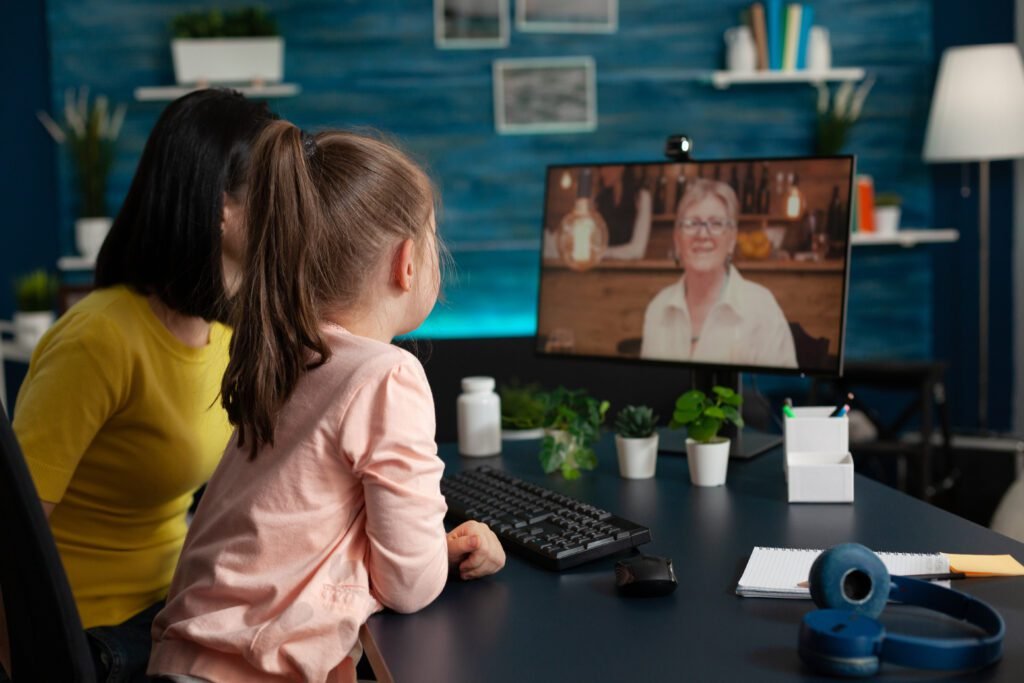
At Amy Brown Counseling, we’ve worked with many families whose children were struggling with intense emotions. Through virtual play therapy and child-centered counseling, we focus on helping kids recognize what they’re feeling, name their emotions, and build tools to manage them. This might include using stories, art, games, and movement to help children process frustration, sadness, or anxiety in a way that feels natural to them.
Therapists may also help kids learn to identify their “triggers” and notice early signs that they’re becoming dysregulated. They’ll practice calming strategies like breathing, visualization, and movement breaks. Over time, this helps kids gain a sense of control and confidence, even when things don’t go their way.
Supporting Your Child at Home
Parents play a vital role in supporting emotional growth. If your child is struggling, try to stay calm and present when they are upset, even when it’s hard. Avoid jumping straight to discipline during emotional meltdowns and instead focus on safety and connection first. Later, when your child is calm, you can help them reflect on what happened.
Try using simple phrases to name what they might be feeling. You can say things like “That was really frustrating,” or “It seems like you were disappointed when plans changed.” This helps children develop emotional language and feel seen.
It’s also helpful to create predictable routines, allow space for quiet time or sensory play, and make sure your child is getting enough sleep, movement, and healthy nutrition. These small things support emotional balance.
You’re Not Alone
If your child’s emotional reactions feel out of proportion, unpredictable, or are creating stress for your family, it doesn’t mean you’re doing something wrong. Kids with dysregulation need support, not shame. Virtual therapy can be a gentle and effective way to help them build emotional tools and regain a sense of calm.
At Amy Brown Counseling, we work with children ages 7 and up in Missouri and Texas through virtual play therapy and counseling. We also support parents in understanding and responding to what their child needs. If you’re noticing signs of emotional dysregulation, we’re here to help you take the next step toward healing and growth.
To get started, fill out our client inquiry form to schedule your first session today.