When parents separate or divorce, the emotional impact on children and teens can be significant. Even in the most amicable situations, the disruption to family life, routines, and relationships can leave young people feeling confused, anxious, or even responsible for what happened. Children may not have the words to express what they’re feeling, and teens may try to appear unaffected, even when they’re struggling internally.
Virtual play therapy offers a gentle, supportive space for kids and teens to begin making sense of these big life changes. Through developmentally appropriate tools and a strong therapeutic relationship, children can work through the emotional stress of divorce and begin to build resilience.
The Emotional Impact of Divorce on Children and Teens
Divorce doesn’t affect all children in the same way, but some common emotional and behavioral responses may include:
- Increased anxiety or worry about the future
- Trouble sleeping or changes in appetite
- Academic difficulties or lack of motivation
- Mood swings, irritability, or tearfulness
- Acting out, tantrums, or defiance
- Withdrawal from friends or family
- Regressive behaviors in younger children, like bedwetting or clinginess
- Attempts to take on adult roles or fix the problem
Adolescents may also experience identity confusion, relationship insecurity, and intense loyalty conflicts. They may feel caught in the middle or struggle to manage their own emotions while trying to appear strong.
These emotional responses are normal, but without support, they can sometimes turn into long-term mental health challenges such as depression, anxiety, or behavior problems. Therapy provides a way to intervene early, helping kids process the changes in a safe and structured environment.
Why Play Therapy Works So Well During Times of Family Change
Play therapy helps children express their inner world through action, not just words. This is especially important when kids are grappling with feelings they don’t fully understand or can’t articulate. In the context of divorce, children may feel sadness, fear, anger, relief, guilt, or confusion all at once. Through play, they can explore and express those feelings in a symbolic, manageable way.
For example, a child may create a sand tray scene that shows one house with two separate rooms or act out stories where characters are dealing with separation. A therapist trained in play therapy will observe and respond in ways that help the child gain insight and feel more in control of their emotional experience.
Teenagers can also benefit from a creative, play-based approach. While they may be past the age of imaginative play, they often respond well to expressive activities such as journaling, art, digital storytelling, or sand tray therapy. These approaches allow them to reflect and process without the pressure of direct conversation right away.
How Virtual Play Therapy Supports Children During Divorce
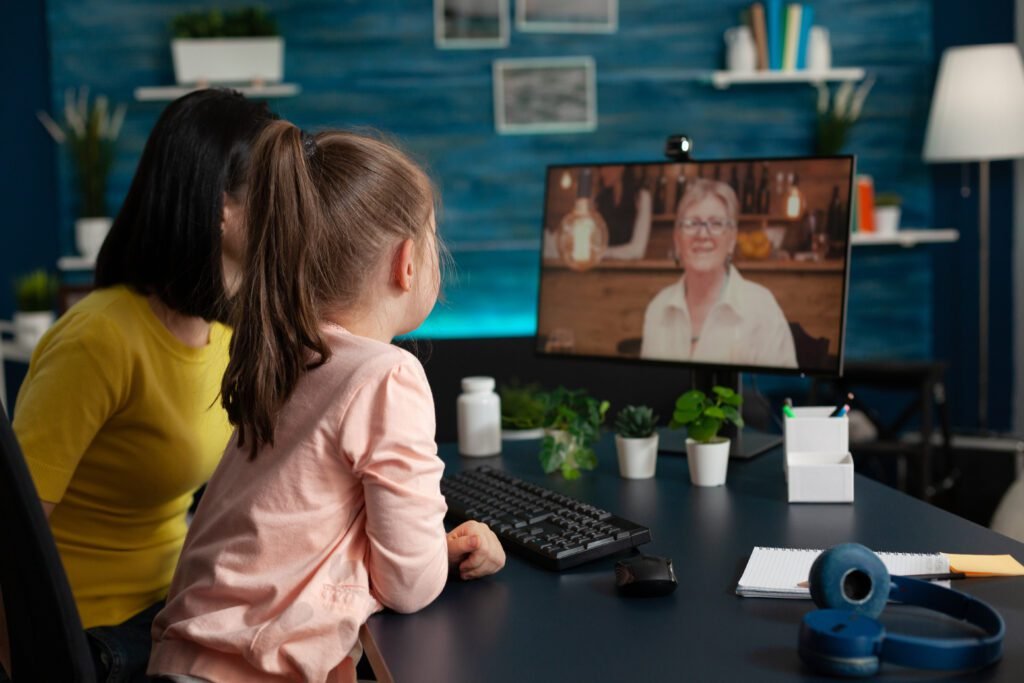
At Amy Brown Counseling, our therapists specialize in providing virtual therapy to children and teens in Missouri and Texas using developmentally appropriate methods tailored to each client. Our secure virtual platform, Teleo, allows therapists and clients to work together on the same screen using shared interactive tools like games, drawing, digital sand trays, and more.
We use virtual play therapy to help kids and teens:
- Identify and name emotions related to the divorce
- Build coping strategies for stress and change
- Understand that they are not to blame
- Develop problem-solving and communication skills
- Maintain a sense of connection with both parents
- Express feelings of anger, grief, or fear safely
- Adjust to changes in routine, family structure, or housing
Virtual sessions also offer flexibility for families who are adjusting to new schedules, co-parenting dynamics, or logistical challenges. Kids can attend from either home, and the therapeutic work remains consistent regardless of location.
Supporting Children in Co-Parenting Situations
We recognize that divorce often comes with co-parenting arrangements that involve two separate households, possibly with different parenting styles or communication patterns. Our therapists help children navigate these complexities by:
- Providing a neutral, supportive space where the child is the primary focus
- Helping kids express worries or preferences in a respectful, appropriate way
- Encouraging open discussion of emotions and transitions
- Offering regular check-ins with parents (together or separately, depending on the situation)
- Collaborating with both parents when possible to support consistency and emotional safety
Parents do not need to be in the same room or even on the same page for therapy to be effective. We meet each family where they are, while always centering the child’s needs and emotional well-being.
What Parents Can Expect During the First Few Sessions
Before a child begins virtual therapy, we meet with at least one parent or caregiver to gather background information, review the child’s history, and understand the specific challenges they’re facing. We also talk through how therapy will work, what to expect, and how parents will be involved.
Younger children will need a quiet, private space for their sessions with access to a laptop, tablet, or desktop. We ask that a parent remain home in case the therapist needs to check in or troubleshoot any technical difficulties. Teens may attend sessions independently, as long as they have privacy and access to a secure device.
Sessions may include a mix of games, drawing, storytelling, or talking, depending on the child’s age and personality. Over time, the therapist builds a trusting relationship that becomes a source of stability and support as the child adjusts to family changes.
Signs Your Child May Benefit from Therapy During Divorce
Some children bounce back quickly after a separation, but others may need extra support. Consider therapy if your child:
- Frequently cries, worries, or talks about being scared
- Acts angry, defiant, or aggressive toward others
- Has trouble focusing at school or refuses to go
- Seems withdrawn, quiet, or emotionally flat
- Talks about feeling responsible for the divorce
- Struggles to adjust to new routines or transitions between homes
- Has difficulty sleeping or shows physical symptoms of stress (stomachaches, headaches, etc.)
- Asks for help but doesn’t know how to explain what they’re feeling
You don’t need to wait for things to get worse. Therapy can support your child as a proactive measure, helping them feel more secure and capable during a time of uncertainty.
How We Work With Parents
We understand that parents are the most important people in a child’s life. That’s why we prioritize open communication with caregivers throughout the therapy process. We offer regular updates, collaborate on strategies, and help parents understand what their child might be feeling even when the child isn’t saying much at home.
We’re also here to help you manage your own emotions during this transition. Divorce can be overwhelming, and it’s hard to support your child when you’re struggling yourself. Our team brings compassion, understanding, and practical tools to help the whole family find steadier ground.
Therapy Can Help Families Heal
Divorce brings change, but it doesn’t have to bring long-term emotional harm. With the right support, children and teens can adjust, adapt, and even grow stronger. Therapy creates a consistent, safe place where kids can express themselves, explore difficult feelings, and rebuild trust in their changing world.
At Amy Brown Counseling, we’re honored to walk alongside families during this vulnerable time. Our virtual therapists understand the emotional impact of divorce, and we are here to support your child wherever they are, and wherever they may need to go next.
Fill out our client inquiry form to get started today.