As parents, it’s natural to wonder if your child is “on track.” You might find yourself comparing them to other children at daycare, noticing differences in how they speak, how they play, or how they react when they’re upset. The truth is that development in early childhood varies widely, but there are certain milestones that help us understand how children typically grow between the ages of 3 and 6.
This early stage is full of rapid change, and it’s often when personality starts to shine through. It’s also a window of time when emotional development, social learning, and early self-regulation begin to take root. Knowing what to expect, and what to watch for, can help you support your child while feeling more confident as a parent.
Below, we’ll walk through the major areas of development in early childhood, explain some of the common behaviors you might see, and offer guidance for what to do if something doesn’t feel quite right.
Emotional Development
Children between 3 and 6 years old are learning how to handle big feelings with limited tools. They may go from laughing to melting down in a matter of seconds. These emotional swings can feel overwhelming to parents, especially when they happen in public or at bedtime.
What to expect emotionally:
- Strong attachments to caregivers and difficulty separating, especially during transitions
- Big emotional expressions such as crying, screaming, or intense excitement
- Beginning to label feelings like happy, mad, or sad, but not always using them accurately
- Showing concern for others when they are hurt or upset
- Becoming frustrated easily when things don’t go their way
Emotional regulation is still developing, which means tantrums and mood swings are still common at this age. That doesn’t mean you’re doing something wrong. It simply means your child is still building their emotional toolkit.
Social Development
The preschool and early elementary years are often when children begin to play more collaboratively. While toddlers mostly engage in parallel play, 3- to 6-year-olds begin to take turns, share with support, and develop early friendships.
What to expect socially:
- Interest in playing with other children and forming early friendships
- Conflict during play over taking turns or rules of the game
- Desire to please adults or be “the helper”
- Increased awareness of others’ feelings, though they may still struggle with empathy
- Imaginative play that includes themes like families, animals, superheroes, or schools
It’s also completely normal for children this age to have disagreements or misunderstandings with peers. These moments are opportunities to help children practice problem-solving and build social skills.
Language Development
Children in this age range are often described as “little sponges” when it comes to language. Their vocabulary is expanding quickly, and they are beginning to form more complex sentences.
What to expect in language development:
- Speaking in 3- to 6-word sentences by age 3 or 4
- Asking a lot of questions, why, how, what, and when
- Telling simple stories or describing something that happened
- Mispronouncing words or mixing up tenses as they learn
- Using language during play to take on roles or characters
By the time a child reaches kindergarten, they are often able to follow multi-step directions and understand many of the conversations around them. If a child is hard to understand or seems frustrated by communication, it may be time to talk to your pediatrician or therapist about a speech-language evaluation.
Cognitive Development
Between ages 3 and 6, children begin to develop a clearer sense of time, cause and effect, and imagination. Their thinking is still very concrete, meaning they understand what they can see or touch more easily than abstract ideas.
What to expect cognitively:
- Recognizing colors, shapes, numbers, and letters
- Sorting objects by size or category
- Asking questions to understand how things work
- Enjoying make-believe and fantasy play
- Starting to understand time concepts like morning, night, today, or tomorrow
You might also notice your child becomes fixated on certain topics, trains, dinosaurs, princesses, or outer space. This kind of deep focus can be part of typical development and provides opportunities for learning through play.
Physical Development
Gross motor and fine motor skills continue to grow steadily during this time. Children are becoming more coordinated and able to control their movements with greater purpose.
What to expect physically:
Gross motor:
- Running, climbing, hopping, and skipping
- Throwing and catching a ball with more accuracy
- Balancing on one foot or walking on a line
Fine motor:
- Holding crayons or pencils with more control
- Cutting with safety scissors
- Drawing basic shapes or stick figures
- Building more complex block structures
As children grow, their physical abilities often influence their confidence. Mastering a new skill like hopping on one foot or learning to write their name can feel like a huge accomplishment and build self-esteem.
Self-Help and Independence
Children between ages 3 and 6 often start to assert their independence. You may hear phrases like “I can do it myself” on a regular basis. This is a normal part of development, even when it slows things down.
What to expect with self-help skills:
- Dressing and undressing with minimal help
- Feeding themselves and using utensils properly
- Using the toilet independently (though accidents may still happen)
- Cleaning up toys with reminders
- Expressing preferences for food, clothes, or activities
While it’s important to encourage independence, this is also a time when children benefit from structure and routine. Having clear expectations and consistent boundaries can help them feel secure as they take on more responsibility.
Red Flags to Watch For
Every child develops at their own pace, and some areas will grow faster than others. However, there are some signs that may suggest a need for extra support or assessment.
You may want to speak with a professional if your child:
- Has limited eye contact or does not respond to their name by age 3
- Shows little interest in interacting with others
- Has extremely intense tantrums that last a long time and are difficult to soothe
- Struggles to use language to express needs by age 4
- Regresses in previously mastered skills (like toileting or speaking)
- Engages in repetitive behaviors that interfere with daily life
- Seems overly withdrawn, sad, or anxious much of the time
Early support can make a big difference. If something feels off, trust your instincts. You don’t have to have all the answers to reach out for help.
Supporting Development Through Play
One of the best ways to support your child’s development in early childhood is to spend time playing together. Play is how children process the world, explore emotions, and build new skills.
Simple activities like building blocks, pretend play, drawing, or reading together can foster growth in every domain, language, motor skills, social interaction, and emotional regulation.
Try to follow your child’s lead during play and let them take the role of “director.” This not only boosts confidence but also gives you insight into what they’re thinking and feeling.
When to Seek Additional Support
If you’re feeling concerned about any part of your child’s development, or if you’re dealing with daily power struggles, meltdowns, or communication breakdowns, you’re not alone.
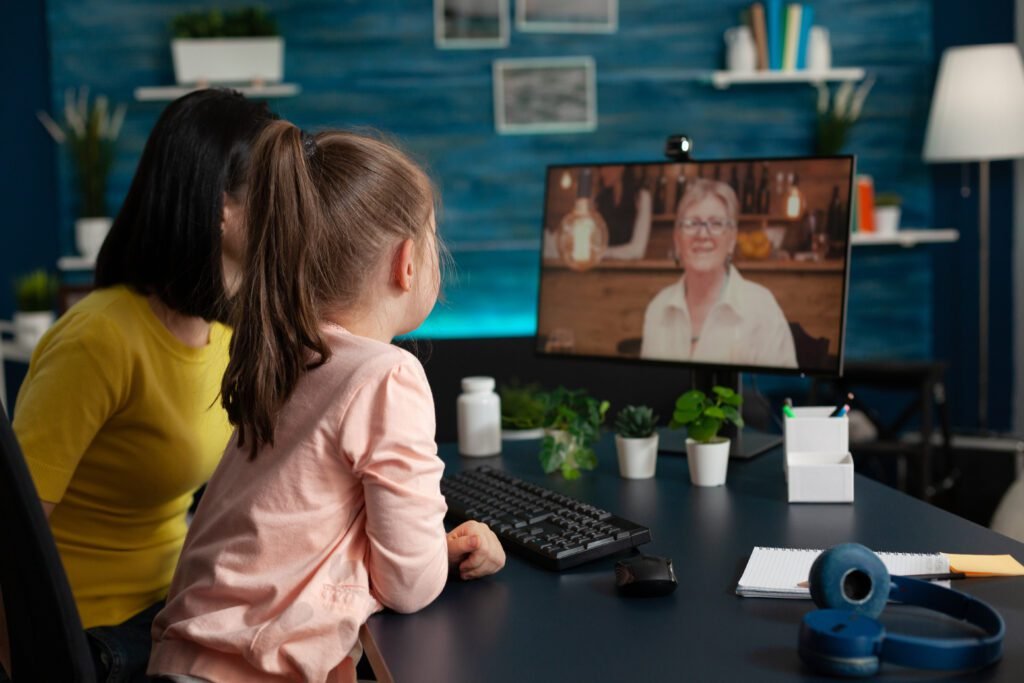
Virtual play therapy and parenting support can help you better understand your child and create a calmer, more connected home environment. Our team of licensed child and family therapists can meet with you online from the comfort of your home and begin supporting your child through play-based approaches.
We work with children ages 7 and up virtually, as well as some limited spots for in-person for ages 5 and up, provided for families across Missouri. Our services begin with an in-depth parent session to identify needs and goals before therapy begins.
To get started, fill out our client inquiry form to schedule your first session today.