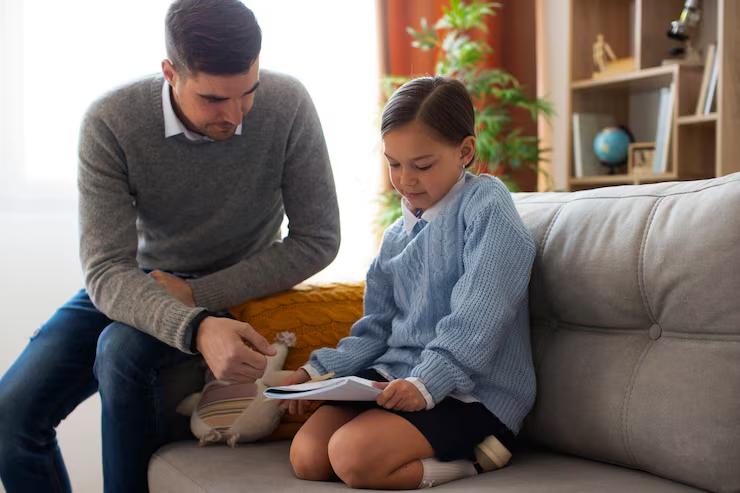
Parenting an anxious teen can be challenging under the best of circumstances.
As children move into adolescence, they naturally begin seeking more independence, spending more time with friends, and figuring out who they are. Along the way, they often experience emotional ups and downs that can leave parents wondering what is normal and what might be cause for concern.
When anxiety enters the picture, things can become even more complicated.
Many parents tell me they feel helpless watching their teenager struggle with worry, stress, panic, self-doubt, or emotional overwhelm. They want to help, but they are often unsure what to say or do.
The good news is that parents play an incredibly important role in helping teens learn to manage anxiety.
While you cannot remove every stressor from your teenager’s life, you can provide support, guidance, and encouragement that helps them build confidence and resilience.
What Anxiety Looks Like in Teenagers
Many people picture anxiety as nervousness or excessive worry.
While those can certainly be signs of anxiety, teens often express anxiety differently than younger children or adults.
Anxiety in teens may look like:
- Irritability
- Mood swings
- Perfectionism
- Difficulty sleeping
- Avoidance of activities
- Social withdrawal
- Frequent headaches or stomachaches
- Panic attacks
- Difficulty concentrating
- Constant reassurance seeking
- Procrastination
- Low self-confidence
Some teens become quiet and withdrawn. Others become argumentative or angry. Many parents are surprised to learn that anxiety can sometimes look more like frustration than fear.
Why Are So Many Teens Struggling With Anxiety?
Teenagers today face a unique set of pressures.
Many are trying to balance:
- Academic expectations
- Social relationships
- Extracurricular activities
- Social media
- Future planning
- Family responsibilities
- Personal identity development
Their brains are also still developing, particularly the areas responsible for decision-making, emotional regulation, and impulse control.
For anxious teens, these pressures can feel overwhelming.
Many become trapped in cycles of overthinking, self-criticism, and fear of failure.
Signs Your Teen May Be Struggling With Anxiety
Some signs are easy to recognize. Others are more subtle.
Parents may notice:
Increased Worry
Your teen may constantly worry about grades, friendships, appearance, sports, college, or the future.
Avoidance
Anxiety often encourages avoidance.
A teen may avoid:
- Social situations
- School activities
- Driving
- Public speaking
- New experiences
Avoidance may temporarily reduce anxiety, but it often strengthens it over time.
Perfectionism
Many anxious teens place enormous pressure on themselves.
They may believe that mistakes are unacceptable or that their value depends on achievement.
Physical Symptoms
Anxiety frequently affects the body.
Common symptoms include:
- Stomachaches
- Headaches
- Fatigue
- Muscle tension
- Difficulty sleeping
Emotional Outbursts
Anxiety can leave teens feeling emotionally exhausted.
Sometimes this appears as anger, frustration, or irritability rather than obvious fear.
What Parents Often Do That Accidentally Increases Anxiety
Parents naturally want to reduce their child’s distress.
Unfortunately, some well-intentioned responses can unintentionally strengthen anxiety.
Constant Reassurance
Repeatedly answering the same anxious questions can create dependence on reassurance.
Instead of helping teens learn to tolerate uncertainty, it can reinforce the idea that certainty is required before they can feel okay.
Solving Every Problem
When parents immediately solve problems, teens miss opportunities to build confidence and problem-solving skills.
Avoiding Discomfort
It is difficult to watch your child struggle.
However, growth often requires experiencing manageable levels of discomfort.
Helping teens face challenges gradually is often more effective than helping them avoid those challenges entirely.
How to Support an Anxious Teen
Listen More Than You Lecture
Teenagers want to feel heard.
When your teen shares concerns, try resisting the urge to immediately offer solutions.
Start with:
- “That sounds really difficult.”
- “I can see why you’re stressed.”
- “Tell me more.”
Feeling understood often reduces emotional intensity.
Stay Calm
Anxiety can be contagious.
When parents become highly reactive, teens often feel even more overwhelmed.
Your calm presence can help regulate your teen’s nervous system.
Focus on Effort
Praise courage, effort, persistence, and problem-solving rather than outcomes.
This is especially important for teens who struggle with perfectionism.
Encourage Healthy Habits
Anxiety tends to worsen when basic needs are neglected.
Help your teen prioritize:
- Sleep
- Exercise
- Nutrition
- Time with supportive friends
- Healthy boundaries with technology
Teach Coping Skills
Every teen should have a toolbox of coping strategies.
Helpful skills may include:
- Deep breathing
- Mindfulness
- Journaling
- Physical activity
- Positive self-talk
- Grounding exercises
The goal is not to eliminate anxiety completely but to help teens manage it effectively.
Helping Your Teen Build Confidence
Confidence is not something we give our children.
It is something they develop through experience.
One of the most powerful ways parents can support anxious teens is by helping them face manageable challenges.
Confidence grows when teens learn:
- I can do hard things.
- I can survive discomfort.
- I can make mistakes and recover.
- I can handle uncertainty.
These experiences build resilience that lasts far beyond adolescence.
When Should You Consider Counseling?
Some anxiety is a normal part of life.
However, counseling may be beneficial if anxiety is:
- Affecting school performance
- Interfering with friendships
- Impacting sleep
- Causing panic attacks
- Leading to social withdrawal
- Creating frequent emotional distress
- Affecting family relationships
Many teens appreciate having a neutral person to talk to who is not a parent, teacher, or friend.
Counseling provides a safe space to explore emotions, learn coping skills, and develop confidence.
Frequently Asked Questions
Is anxiety common in teenagers?
Yes. Anxiety is one of the most common mental health concerns among adolescents.
How can I tell if my teen’s anxiety is serious?
If anxiety is affecting daily functioning, relationships, school performance, sleep, or emotional well-being, professional support may be helpful.
Should I force my teen to talk about their feelings?
No. Encourage conversation and remain available, but avoid pressuring your teen to open up before they are ready.
Can anxiety improve without therapy?
Some teens improve with family support and coping strategies. Others benefit significantly from counseling, particularly when anxiety is persistent or interfering with daily life.
What is the best therapy for anxiety in teens?
Several therapeutic approaches can help teens manage anxiety. A qualified therapist can determine which interventions best fit your teen’s unique needs.
Final Thoughts
Watching your teenager struggle with anxiety can be difficult.
Parents often wish they could remove every obstacle and protect their children from every painful experience.
While that is not possible, you can help your teen build the confidence, resilience, and coping skills needed to face life’s challenges successfully.
Anxiety does not have to control your teenager’s future.
With support, understanding, and the right tools, teens can learn to manage anxiety and move forward with greater confidence.
No teenager should have to carry anxiety alone, and no parent has to figure it out by themselves.
When school anxiety begins affecting your child’s daily life, it may be a sign that additional support could be beneficial. Learn what to look for in Parenting an Anxious Teen.
As children grow into adolescence, anxiety can sometimes be fueled by perfectionism and the pressure to meet high expectations. Learn practical ways to help in Why perfectionism and Anxiety Often Go Together.
When school anxiety begins affecting your child’s daily life, it may be a sign that additional support could be beneficial. Learn what to look for in Parenting an Anxious Teen.
At Amy Brown Counseling, we provide virtual counseling and online play therapy for children, teens, adults, and families throughout St. Louis and the state of Missouri. We also offer limited in-person sessions in Chesterfield. Our therapists help children and teens struggling with anxiety, perfectionism, self-esteem concerns, school stress, family changes, and emotional challenges.