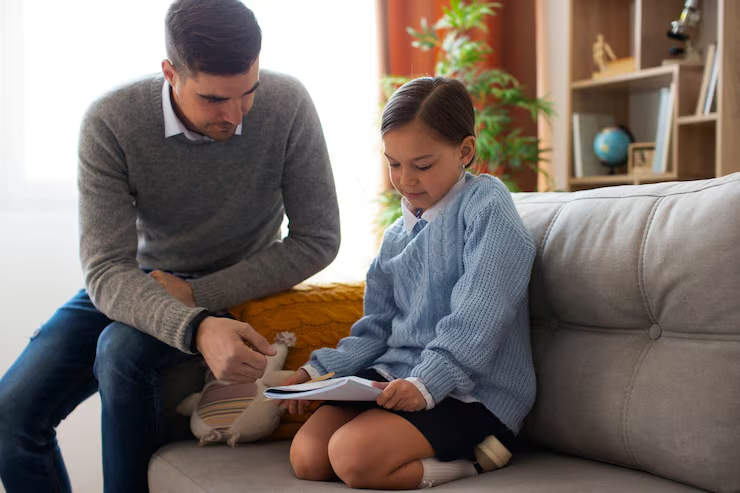
Many parents find themselves lying awake at night wondering how to help a child who constantly worries about school, friendships, family members, making mistakes, getting sick, or things that might happen in the future. While occasional worry is a normal part of childhood, some children experience anxiety at a level that begins to affect their daily lives.
As a therapist who has worked with children and families for more than twenty years, I have seen how overwhelming anxiety can feel for both children and parents. The good news is that anxiety is highly treatable, and there are many ways parents can support their child while helping them build confidence and resilience.
Understanding Anxiety in Children
Anxiety is a natural response to stress or perceived danger. It is part of the body’s built-in alarm system and is designed to help keep us safe. However, some children experience anxiety more frequently or more intensely than others.
An anxious child may worry about things that seem small to adults but feel very real and important to them. Their brains are often working overtime, scanning for possible problems and trying to prepare for every outcome.
Children with anxiety are not being dramatic, difficult, or attention-seeking. In most cases, they are genuinely struggling with uncomfortable thoughts and feelings that they do not yet know how to manage.
Common Signs of Anxiety in Children
Anxiety can look different from one child to another. Some children openly express their worries, while others keep them hidden.
Common signs of anxiety in children include:
- Excessive worrying
- Difficulty sleeping
- Frequent headaches or stomachaches
- Avoiding certain activities or situations
- Seeking constant reassurance
- Fear of making mistakes
- Irritability or emotional outbursts
- Difficulty separating from parents
- Trouble concentrating at school
- Refusing to try new things
Some children become quiet and withdrawn when they are anxious. Others may appear angry, frustrated, or oppositional. Anxiety does not always look like nervousness.
Many parents are surprised to learn that their child’s anger, perfectionism, or school struggles may actually be rooted in anxiety.
Why Some Children Seem to Worry More Than Others
Every child is different.
Some children are naturally more sensitive and cautious. They tend to think deeply about situations and may notice potential problems that others overlook.
Several factors can contribute to childhood anxiety:
Temperament
Some children are simply born with a more sensitive nervous system. They may react more strongly to stress, change, or uncertainty.
Family History
Anxiety often runs in families. This does not mean a child is destined to struggle with anxiety, but genetics can play a role.
Stressful Life Events
Changes such as divorce, moving, changing schools, illness, loss of a loved one, or family conflict can increase anxiety.
Perfectionism
Children who place tremendous pressure on themselves often experience higher levels of anxiety. They may worry about making mistakes, disappointing others, or failing to meet expectations.
Social and Academic Pressures
Today’s children face significant pressures both online and offline. School performance, friendships, extracurricular activities, and social media can all contribute to feelings of anxiety.
How to Help an Anxious Child at Home
Parents cannot eliminate every source of stress from their child’s life. However, there are many ways to help children learn how to manage anxiety more effectively.
Listen Before You Solve
When children are anxious, parents often feel an urge to immediately fix the problem.
Instead, start by listening.
Try saying:
- “I can see this is really bothering you.”
- “That sounds hard.”
- “Tell me more about what you’re worried about.”
Children often feel calmer when they feel understood.
Avoid Constant Reassurance
This advice surprises many parents.
While reassurance feels helpful in the moment, excessive reassurance can unintentionally strengthen anxiety over time.
For example, if a child asks twenty times whether they will be okay at school tomorrow, answering the question twenty times may temporarily reduce anxiety but can teach the brain to depend on reassurance.
Instead, acknowledge the feeling and encourage confidence.
- “You’ve handled hard days before.”
- “I know this feels scary, and I believe you can get through it.”
Teach Coping Skills
Children need practical tools to manage anxiety.
Helpful coping strategies may include:
- Deep breathing exercises
- Movement and physical activity
- Progressive muscle relaxation
- Drawing or journaling
- Positive self-talk
- Mindfulness activities
- Listening to calming music
Not every coping skill works for every child. The goal is to help children discover what works best for them.
Encourage Brave Behavior
Confidence grows through experience.
When parents repeatedly rescue children from situations that make them anxious, children miss opportunities to learn they can handle difficult situations.
Start small.
Celebrate effort rather than perfection.
Even small acts of courage deserve recognition.
Model Healthy Coping
Children learn by watching adults.
If parents respond to stress with calm problem-solving and self-care, children learn valuable emotional skills.
This does not mean pretending everything is fine. It means showing children that difficult emotions can be managed in healthy ways.
When Worry Begins to Interfere With Daily Life
Some level of worry is normal.
However, anxiety may require additional support when it begins to interfere with daily functioning.
Consider seeking help if your child:
- Frequently avoids school
- Has trouble sleeping most nights
- Experiences regular panic symptoms
- Avoids social situations
- Has significant emotional meltdowns
- Struggles academically because of anxiety
- Experiences persistent physical complaints related to worry
- Cannot participate in age-appropriate activities due to fear
Parents know their children best.
If your child’s anxiety seems to be growing rather than improving, it may be time to seek professional support.
When to Consider Counseling for Child Anxiety
Counseling can provide children with a safe place to explore their worries, develop coping skills, and build confidence.
For younger children, play therapy can be especially effective. Children often express emotions through play more naturally than through conversation.
Play therapy allows children to work through fears, stress, and difficult experiences in a developmentally appropriate way.
For older children and teens, counseling can help identify anxious thought patterns, improve emotional regulation, strengthen coping skills, and increase self-confidence.
One of the most valuable things therapy offers is the opportunity for children to realize they are not alone and that their feelings make sense.
Frequently Asked Questions About Child Anxiety
Is it normal for children to worry a lot?
Yes. Most children experience worries at different stages of development. The concern arises when worry becomes excessive or begins interfering with daily life.
What causes anxiety in children?
Anxiety can be influenced by temperament, genetics, stressful life events, perfectionism, family dynamics, and environmental stressors.
How do I calm an anxious child?
Stay calm, listen without judgment, validate their feelings, and encourage coping strategies such as breathing exercises, movement, and positive self-talk.
When should a child see a therapist for anxiety?
If anxiety is affecting school, sleep, friendships, family life, or daily functioning, counseling may be beneficial.
Can play therapy help anxiety?
Yes. Play therapy is often very effective for children because it allows them to express emotions, process experiences, and develop coping skills in a way that feels natural and comfortable.
Final Thoughts
Watching your child struggle with anxiety can be heartbreaking. Many parents wish they could simply take their child’s worries away.
While we cannot eliminate every challenge our children will face, we can help them build the skills, confidence, and resilience needed to manage those challenges successfully.
Anxiety does not have to define your child’s future.
With support, encouragement, and the right tools, children can learn to manage worry, trust themselves, and approach life with greater confidence.
If your child is struggling with anxiety, counseling can provide a safe and supportive place to learn new skills, build confidence, and feel understood.
Parents may also find it helpful to learn about the Signs Your Child May Need Counseling, especially when worry begins affecting sleep, school, friendships, or daily family life.
At Amy Brown Counseling, we provide virtual counseling and online play therapy for children, teens, adults, and families throughout Missouri. We also offer limited in-person sessions in Chesterfield. We would be honored to support your family on the journey toward healing and growth.