Every child gets angry.
Children become angry when they feel frustrated, misunderstood, embarrassed, disappointed, treated unfairly, or unable to get what they want. Anger is a normal human emotion and an important part of emotional development.
The problem is not anger itself.
The challenge is helping children learn how to express and manage anger in healthy ways.
Many parents worry when their child has frequent outbursts, yells, slams doors, argues constantly, or seems unable to calm down once they become upset. They may wonder whether their child’s anger is normal, whether they are doing something wrong, or whether professional support is needed.
As a therapist who has worked with children and families for more than twenty years, I often remind parents that anger is usually a signal rather than the actual problem. Anger often tells us that something deeper is happening underneath the surface.
Understanding those deeper emotions can help parents respond more effectively and help children develop healthier ways of managing their feelings.
Anger Is Not a Bad Emotion
Many children grow up believing that anger is bad.
They may hear messages such as:
- “Stop being angry.”
- “Calm down.”
- “You shouldn’t feel that way.”
- “There’s nothing to be angry about.”
While these responses are usually well-intentioned, they can unintentionally teach children that anger is something to avoid or suppress.
In reality, anger is a normal emotion.
Anger can signal:
- Frustration
- Disappointment
- Fear
- Hurt
- Embarrassment
- Unfairness
- Anxiety
The goal is not to eliminate anger.
The goal is to teach children how to handle anger safely and appropriately.
What Anger Looks Like in Children
Children express anger in many different ways.
Some children become explosive and highly reactive.
Others become quiet and withdrawn.
Parents may notice:
- Yelling
- Crying
- Arguing
- Defiance
- Physical aggression
- Slamming doors
- Throwing objects
- Refusing to cooperate
- Irritability
- Withdrawal
The way anger appears often depends on the child’s temperament, age, coping skills, and emotional development.
What Is Underneath the Anger?
One of the most important things parents can understand is that anger is often a secondary emotion.
This means another feeling is frequently hiding underneath it.
Anxiety
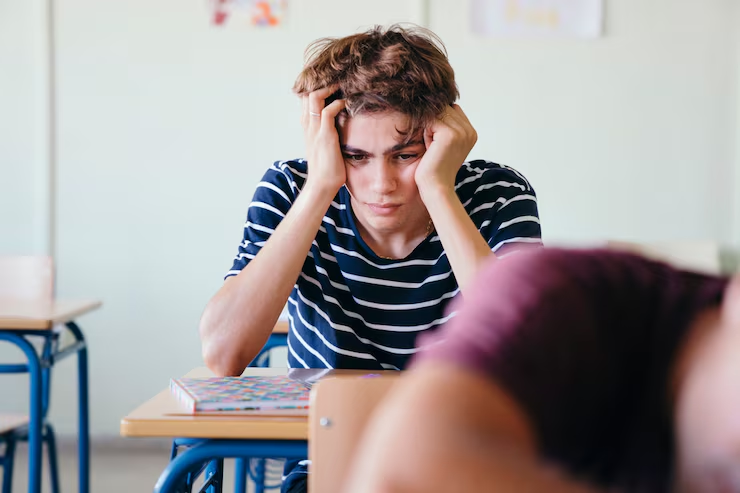
Children who feel worried or overwhelmed may respond with irritability and anger.
Sadness
Children often express sadness through anger because it feels less vulnerable.
Embarrassment
A child who feels embarrassed may become defensive or angry.
Fear
Fear and anger are closely connected.
Children sometimes become angry when they feel threatened, uncertain, or out of control.
Frustration
Many angry outbursts occur when children feel stuck, overwhelmed, or unable to achieve what they want.
When parents focus only on the anger, they may miss the deeper emotions driving the behavior.
Why Some Children Struggle More With Anger
Not all children manage anger the same way.
Several factors can contribute to stronger emotional reactions.
Emotional Regulation Difficulties
Some children simply have not yet developed the skills needed to manage strong emotions effectively.
Anxiety
Anxiety can make children more reactive and emotionally overwhelmed.
Perfectionism
Children who place high expectations on themselves often become frustrated when things do not go as planned.
Family Stress
Divorce, family conflict, grief, school changes, and other stressors can increase emotional intensity.
Temperament
Some children naturally experience emotions more intensely than others.
These children are not choosing to be difficult. They often need additional support learning emotional regulation skills.
What Parents Often Do That Makes Anger Worse
Parents naturally want to stop angry behavior.
However, some common responses can unintentionally increase emotional intensity.
Arguing During the Meltdown
When children are highly upset, the logical part of their brain is often less accessible.
Trying to reason with them in the middle of an outburst is usually ineffective.
Matching Their Anger
When adults become emotionally reactive, children often become more dysregulated.
Focusing Only on Behavior
If parents focus exclusively on stopping the behavior, they may miss opportunities to understand the emotion underneath it.
Using Shame
Statements such as:
- “You’re acting like a baby.”
- “What’s wrong with you?”
- “You should know better.”
often increase emotional distress rather than improve behavior.
How to Help Children Manage Anger
Stay Calm
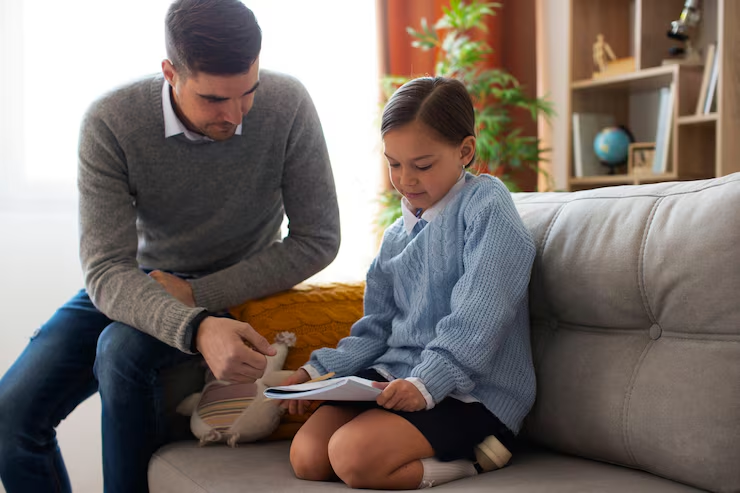
Children benefit from having a calm adult nearby during emotional moments.
Your calm presence helps create emotional safety.
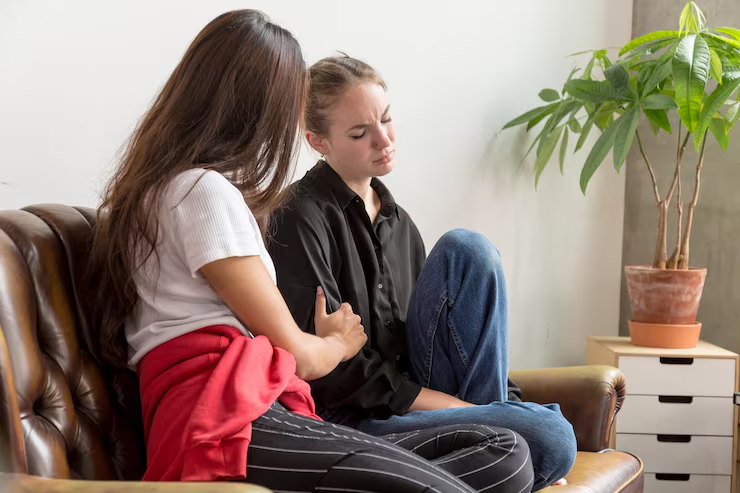
Validate the Emotion
Validation does not mean approving of inappropriate behavior.
It means acknowledging the feeling.
For example:
- “You’re really frustrated.”
- “I can see you’re upset.”
- “That was disappointing.”
Children often calm more quickly when they feel understood.
Set Limits on Behavior
While all emotions are acceptable, not all behaviors are.
Children need clear boundaries.
You can communicate:
- It’s okay to feel angry.
- It’s not okay to hurt people.
- It’s not okay to destroy property.
- It’s not okay to scream at others.
This helps children separate feelings from behavior.
Teach Emotional Vocabulary
Many children know they are upset but cannot identify exactly what they are feeling.
Helping children label emotions builds emotional awareness.
Practice Coping Skills
Children need tools for managing anger.
Helpful coping strategies may include:
- Deep breathing
- Taking a break
- Physical activity
- Drawing
- Listening to music
- Talking with a trusted adult
- Counting slowly
- Using calming exercises
These skills are most effective when practiced regularly.
Teaching Children What to Do Instead
Many parents focus on stopping unwanted behavior.
It is equally important to teach replacement skills.
Children need to learn how to:
- Ask for help
- Express frustration appropriately
- Communicate feelings
- Solve problems
- Calm their bodies
- Recover after mistakes
These are skills that develop through practice over time.
Anger and Anxiety Often Go Together
Many parents are surprised to learn that angry children are often anxious children.
Anxiety can create:
- Irritability
- Low frustration tolerance
- Emotional overwhelm
- Increased reactivity
When anger seems excessive, it is worth considering whether anxiety may be contributing to the behavior.
When Counseling May Help
Professional support may be beneficial when anger is:
- Frequent
- Intense
- Affecting school performance
- Creating family conflict
- Damaging friendships
- Leading to aggression
- Interfering with daily functioning
Counseling can help children develop emotional regulation skills, coping strategies, and healthier ways of expressing emotions.
For younger children, play therapy can be particularly effective because it allows children to express feelings in developmentally appropriate ways.
Frequently Asked Questions
Is it normal for children to get angry?
Yes. Anger is a normal human emotion. The goal is helping children express it in healthy ways.
Why does my child get angry so easily?
Factors such as anxiety, emotional regulation difficulties, stress, temperament, perfectionism, and frustration can all contribute.
How can I help my child calm down when angry?
Stay calm, validate feelings, teach coping skills, and provide consistent boundaries around behavior.
Is anger a sign of anxiety?
Sometimes. Many anxious children appear irritable, reactive, or angry because they are overwhelmed internally.
Can therapy help with anger management?
Yes. Counseling can help children understand emotions, develop coping skills, improve emotional regulation, and manage anger more effectively.
Final Thoughts
Anger is not something children need to eliminate.
It is something they need to understand.
When children learn to recognize emotions, communicate feelings, and use healthy coping skills, anger becomes easier to manage.
Parents play a powerful role in helping children develop these lifelong emotional skills.
With support, guidance, and practice, children can learn that anger is simply an emotion, not something that controls them.
Every child deserves the opportunity to learn how to express anger in ways that support growth, connection, and emotional well-being.
Children who are overly critical of themselves often struggle with confidence in ways that aren’t always obvious. Learn what to watch for by reading The Hidden Signs of Low Self-Esteem in Kids.
Understanding how healthy self-esteem develops provides the foundation for helping children become more confident and resilient. Start with How to Build Self-Esteem in Children and Teens.
At Amy Brown Counseling, we provide virtual counseling and online play therapy for children, teens, adults, and families throughout St. Louis and the state of Missouri. We also offer limited in-person sessions in Chesterfield. Our therapists help children develop emotional regulation skills, manage anxiety, improve self-esteem, navigate family changes, and build healthy coping strategies for life’s challenges.